How breweries use seasonal beer
Rotating taps, limited releases, harvest ingredients, weather, events, freshness, and how the seasons keep a tap list worth checking.
The short answer
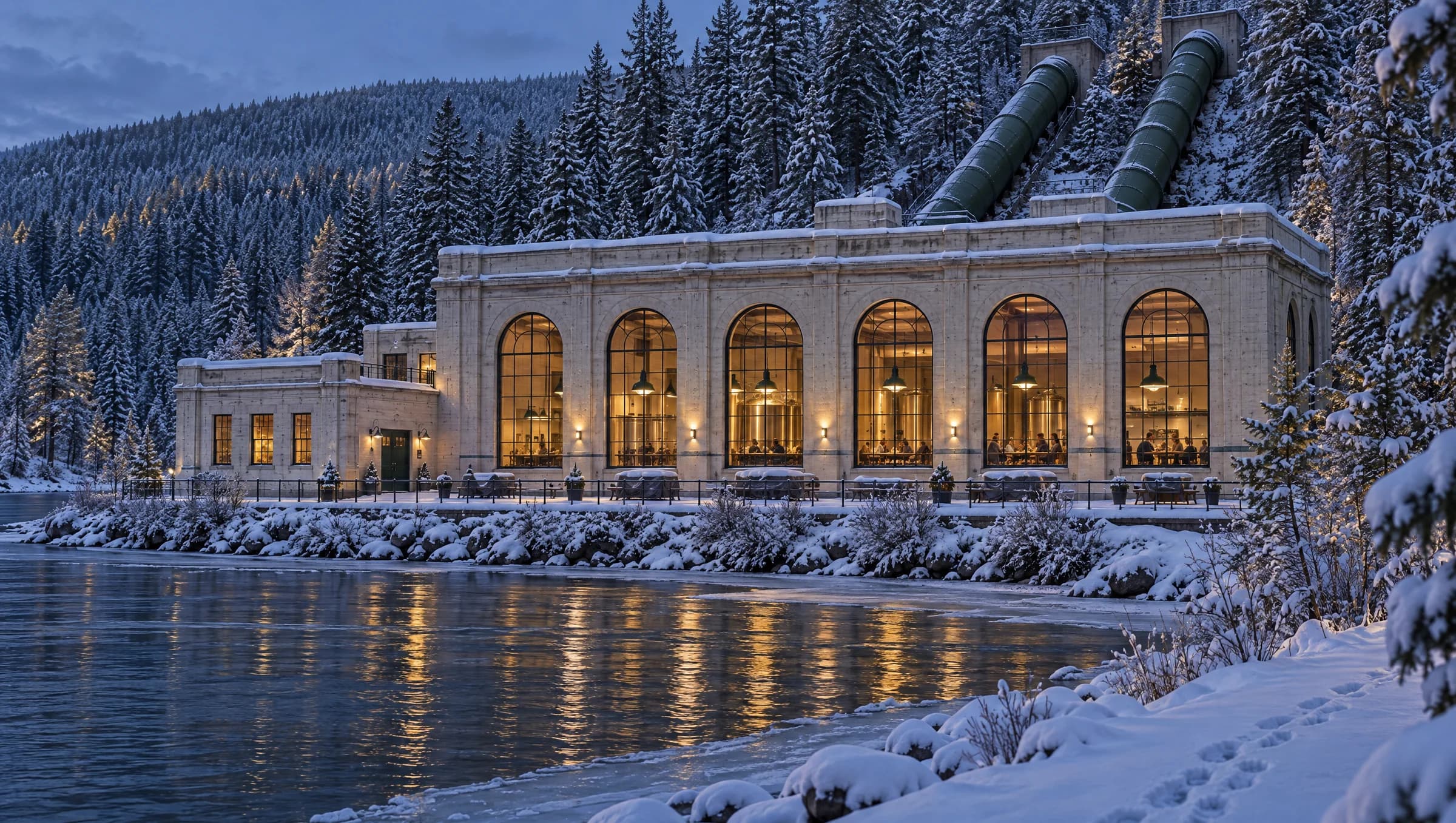
Breweries use seasonal beer to keep the tap list in step with the weather, harvest ingredients, events and people's curiosity. The core lineup stays dependable, while rotating taps give regulars a reason to check the board again.
- Seasonal beer works best when the core lineup stays dependable.
- Limited releases should say how long they will last, instead of pretending every keg lasts forever.
- Weather, local ingredients, holidays and events all shape a seasonal tap plan.
Seasonal beer gives the board a pulse
A tap list that never changes can still be good, but it gives regulars fewer reasons to look twice. A spring lager, a summer sour, a harvest pale ale, a wet-hop release or a winter porter tells people something is happening now.
The best seasonal programs do not replace the house beers. They orbit them. You can still find the lager or the IPA you came for, and the seasonal tap gives the board a reason to be checked again.
Weather changes what people want
Beer depends on the day. Hot patio afternoons favour crisp, tart, lighter and livelier pours. Cold evenings make amber, porter, stout and other malty styles feel natural. The rainy shoulder seasons can go either way.
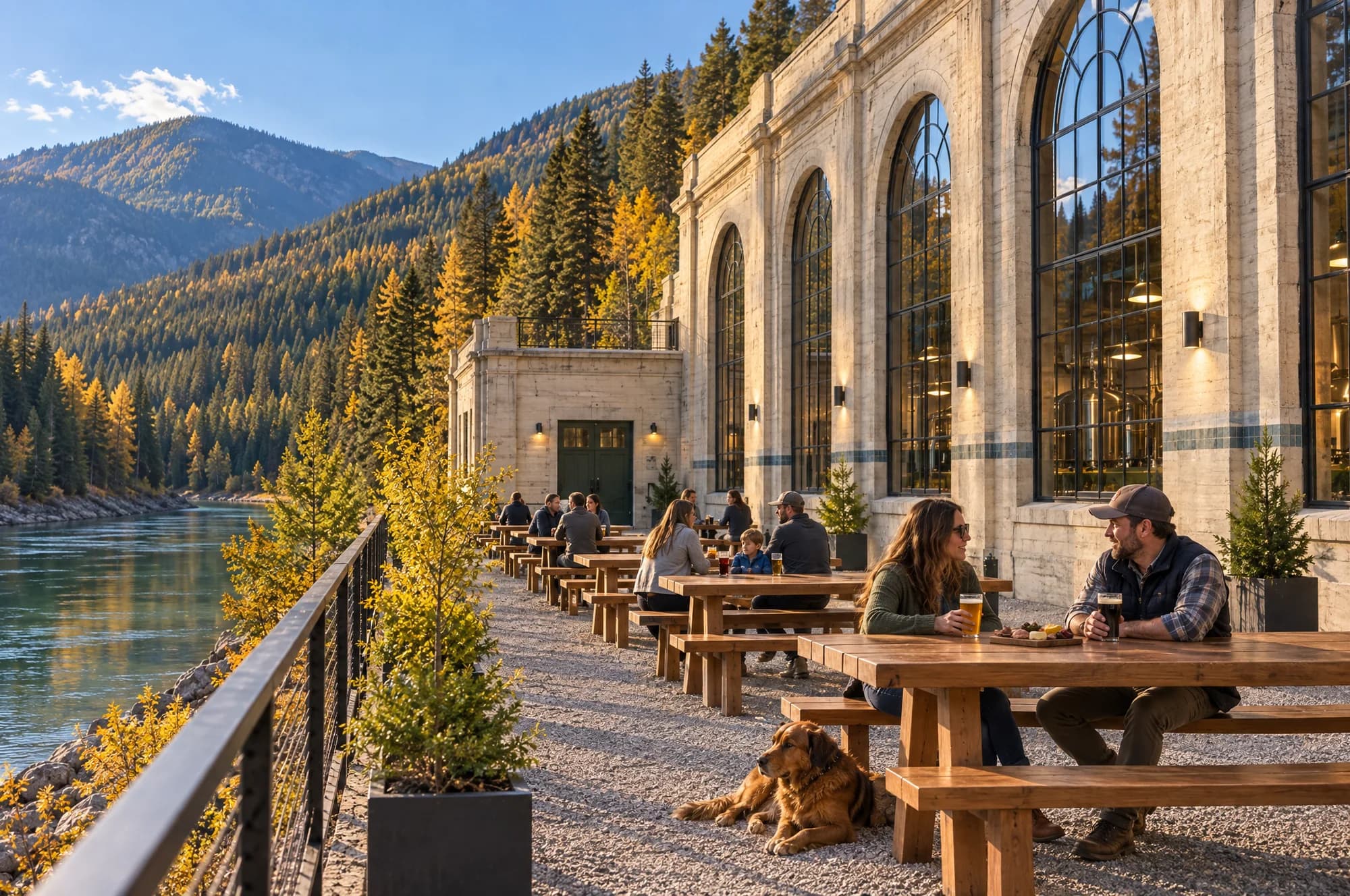
So a Kootenay brewery should treat the season as information. Our patio opens on the May long weekend and closes after Thanksgiving, and the board moves with it. If the patio is open and the seasonal sour is nearly gone, that belongs on the board.
Local ingredients need honest handling
Harvest ingredients make a real story when they are specific: local fruit, spruce tips, honey, herbs, grain or fresh hops. The board should say what actually went in. The word local on its own tells you nothing.
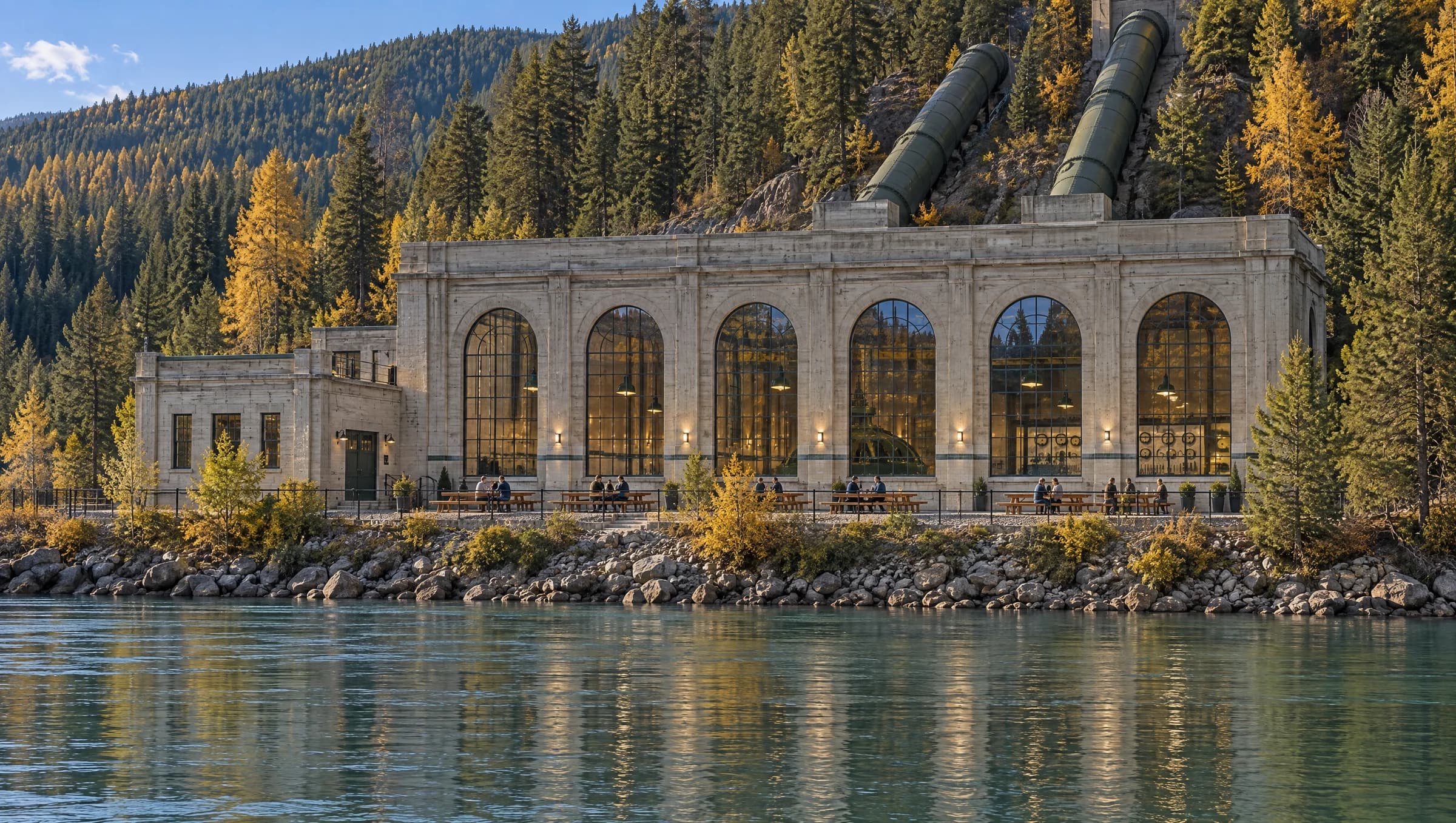
Ours, specifically: Surge Pale Ale gets spruce tips we pick each May on the hillside above the penstocks. Floodgate Sour is fermented on 90 kilos of whole raspberries from a farm outside Creston. Larch Gold Harvest Ale is brewed once a year with wet hops picked in Creston and in the kettle within six hours, and it taps on First Pour Friday.
Limited releases need clear availability
Nobody should have to hunt for whether a seasonal beer is still pouring. Limited releases should show their status, format, freshness and pairing, and where the beer appears: taproom only, cans, stockists, events or flights.
When a beer is on its last keg, our board marks it. When Blackout Porter kicks, it goes off the board for about a week while the next batch conditions, and the board says that too.
Questions
What is seasonal beer?
Seasonal beer is a rotating release brewed for a time of year, an ingredient window, a weather pattern, an event, or a short run in the taproom.
Why do breweries make limited releases?
Limited releases give regulars a new reason to visit, let brewers test ideas, and tie the tap list to the weather, events and local ingredients.
How do I know if a seasonal beer is still available?
Check the brewery's tap list or stockist page first, then call the taproom or the store if you are looking for a specific can or keg.